
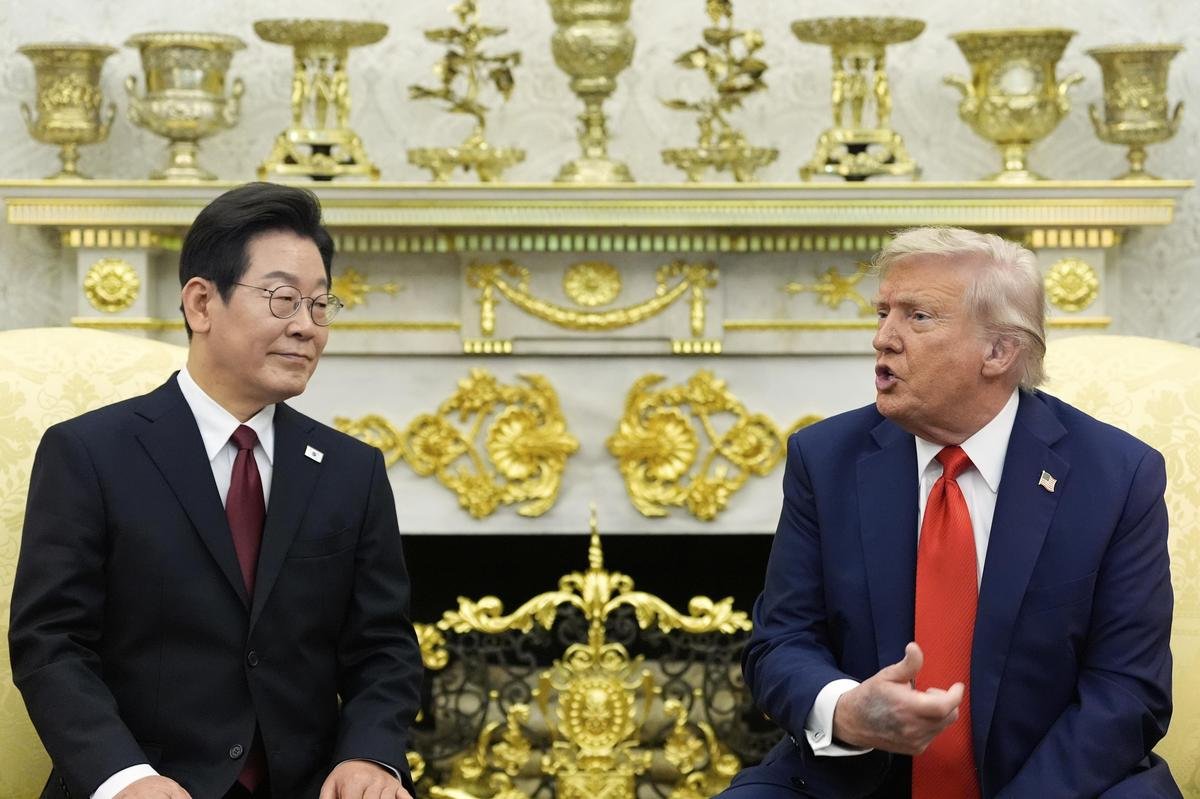

US raises tariffs on South Korea goods to 25% under Trump, escalating tensions between Washington and Seoul after President Donald Trump accused the South Korean government of failing to uphold commitments made under a trade agreement signed last year.
In a social media post, Trump announced that tariffs on a broad range of South Korean imports would jump from 15% to 25%. The higher levies would apply to key sectors including automobiles, lumber, pharmaceuticals, and what he described as “all other reciprocal tariffs.” The president argued that while the United States had moved quickly to cut its own tariffs as promised, South Korea’s lawmakers had dragged their feet on approving the deal.
South Korean officials responded by saying they had not yet received any formal notification from Washington about the tariff increase. Seoul called for immediate talks, signaling concern over the potential economic fallout. The country’s Industry Minister, Kim Jung-kwan, who was already in Canada at the time, is expected to travel to Washington as soon as possible to meet with US Commerce Secretary Howard Lutnick.
The United States is South Korea’s second-largest export market after China. Last year, South Korean exports to the US totaled roughly $123 billion, with cars accounting for about $30 billion of that figure. News of the tariff threat initially rattled markets, sending shares of major automakers Hyundai and Kia down as much as 6% before they pared losses to close around 1% lower. South Korea’s main Kospi stock index also rebounded from early declines, finishing the session up 2.7%.
Market analysts suggested investors were unconvinced that the tariff hike would actually be implemented. Many pointed to Trump’s recent reversal on proposed tariffs against European countries that opposed US plans related to Greenland. “With a delegation heading from Seoul to Washington, markets see this more as a negotiating tactic than a final move,” said Derren Nathan, head of equity research at Hargreaves Lansdown.
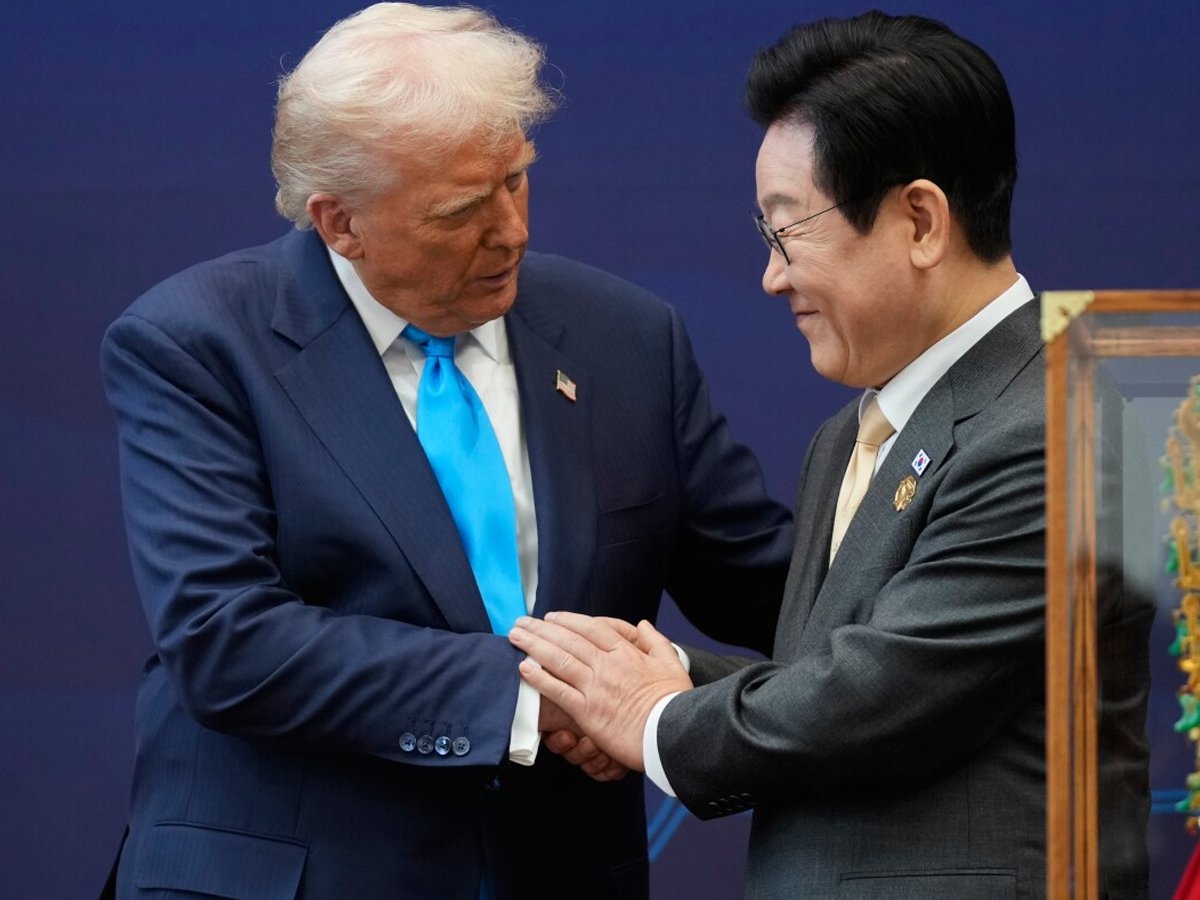
The trade agreement at the center of the dispute was reached last October and included a pledge from South Korea to invest $350 billion in the US, with a portion earmarked for shipbuilding. A month later, both countries agreed that the US would lower tariffs on certain goods once South Korea began the formal approval process. The deal was submitted to South Korea’s National Assembly in late November and is still under review, though local media reports suggest it could be approved as early as February.
If enforced, the tariffs would be paid by US companies importing South Korean goods, effectively raising costs for American businesses and potentially consumers. Trump has repeatedly leaned on tariffs as a foreign policy tool during his second term, using them to pressure allies and rivals alike.
In recent days, he has also threatened Canada with steep tariffs if it pursued a trade agreement with China, a claim Ottawa has firmly denied. Earlier threats against several countries, including the UK, over opposition to US ambitions involving Greenland were later withdrawn, though not without straining relations with key allies.
For now, attention turns to upcoming talks between Seoul and Washington, as both sides look to avoid a trade dispute that could ripple through global markets.
