
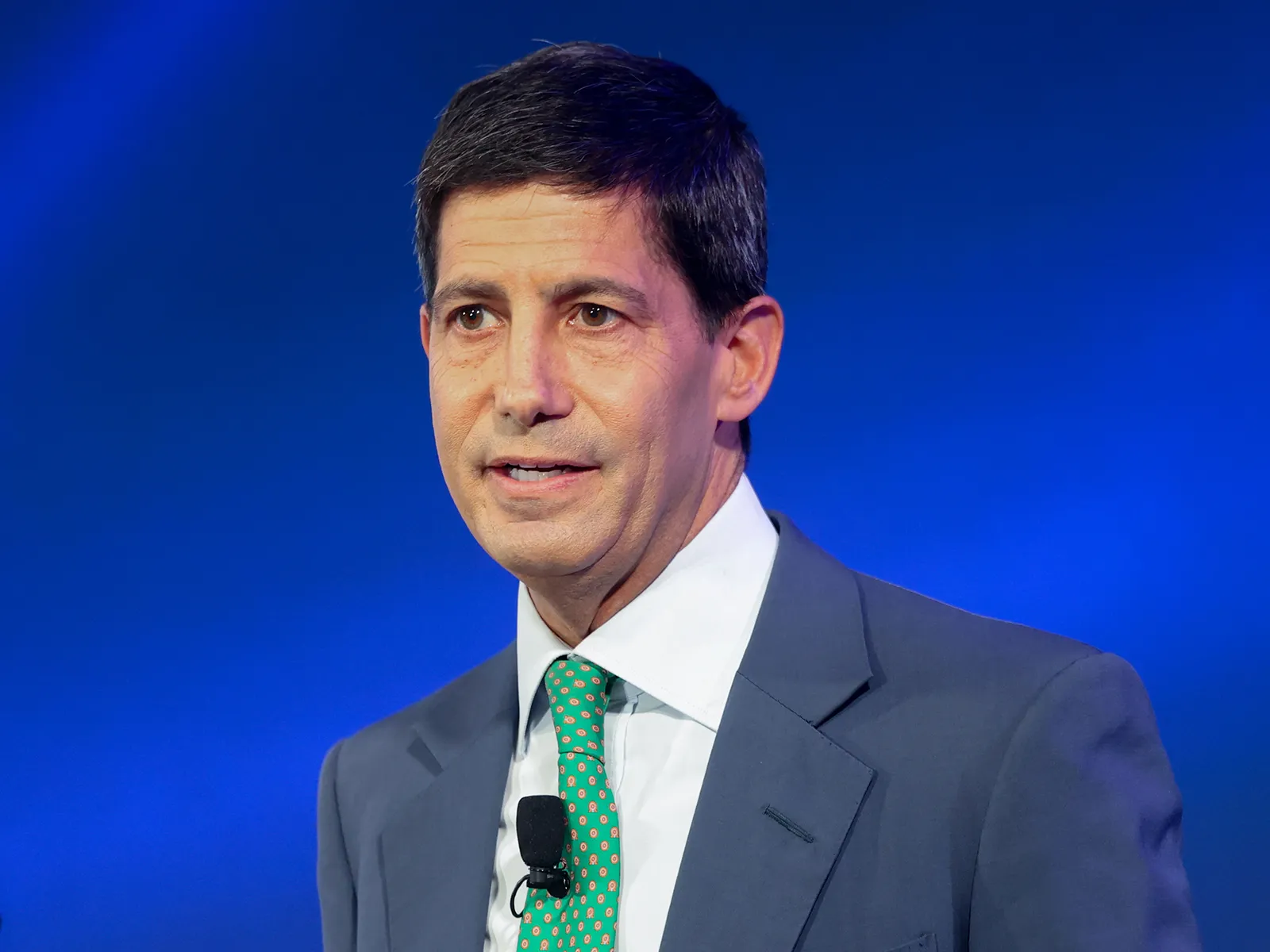

Meet Kevin Warsh, Trump’s Selection to Head the Federal Reserve marks a return to familiar ground for a man who once stood at the center of the most turbulent period in modern economic history. When Kevin Warsh first arrived at the Federal Reserve, the institution was on the brink of being asked to rescue the global financial system. His comeback, however, comes under starkly different conditions — and under the leadership of a famously unpredictable president.
A Veteran of the Financial Crisis Era
Warsh served on the Federal Reserve Board from 2006 to 2011, a period that spanned the buildup to the global financial crisis and the extraordinary interventions that followed. Appointed by George W. Bush, he was among the youngest governors ever to sit on the Fed’s board.
During that time, Warsh was deeply involved in shaping emergency lending facilities designed to stabilize frozen credit markets. He also helped craft a series of rescue initiatives aimed at preventing a systemic collapse. One of the most notable efforts, developed separately at the U.S. Treasury, became the Troubled Asset Relief Program, led by Neel Kashkari, now president of the Minneapolis Fed.
From Insider to Fed Critic
Despite backing early crisis-era interventions, Warsh emerged from that chapter as a vocal critic of the central bank’s long-term strategy. He warned that near-zero interest rates and large-scale asset purchases could distort markets and threaten price stability over time. That skepticism culminated in his opposition to the Fed’s second round of bond-buying — widely known as quantitative easing.
Since then, Warsh has repeatedly argued that the post-crisis Fed pushed stimulus too far, potentially planting the seeds for future financial turmoil. In that sense, Donald Trump may be appointing a chair who is even less inclined to bow to political pressure than the current Fed chief, Jerome Powell.
“Central Casting” for the Role
Announcing the decision, Trump pointed to Warsh’s extensive résumé and described him in glowing terms on Truth Social, calling him “central casting” for the job. Warsh is currently a distinguished visiting fellow at Stanford University, holds a law degree from Harvard University, and has professional roots in investment banking at Morgan Stanley. Earlier in his career, he also served in the Bush White House as a special assistant for economic policy.
While presenting himself as a defender of Fed independence, Warsh has simultaneously accused the institution of mission creep. In a CNBC interview last year, he went as far as calling for “regime change” at the central bank, arguing that its credibility problem lies with current leadership.
A Philosophical Shift at the Fed
If confirmed, Warsh would represent a clear departure from Powell’s consensus-driven, pragmatic leadership style. His appointment would signal a tighter stance on inflation tolerance and balance sheet expansion, filling the seat currently held by Stephen Miran, whose term is expiring.
Miran has already endorsed the pick, praising Warsh as an innovative thinker with a long track record of original ideas on monetary policy.
Can Warsh Move the FOMC?
Still, expectations that Warsh could easily push through aggressive rate cuts may be misplaced. Several voting members of the Federal Open Market Committee have made clear they want firmer evidence that inflation is moving sustainably toward the Fed’s 2% target before easing further.
Recent Fed projections suggest just one rate cut in 2026 and another in 2027, broadly aligning with market expectations. Traditionally, however, the chair is “first among equals,” giving Warsh some ability to steer the committee — potentially toward a slightly more dovish stance.
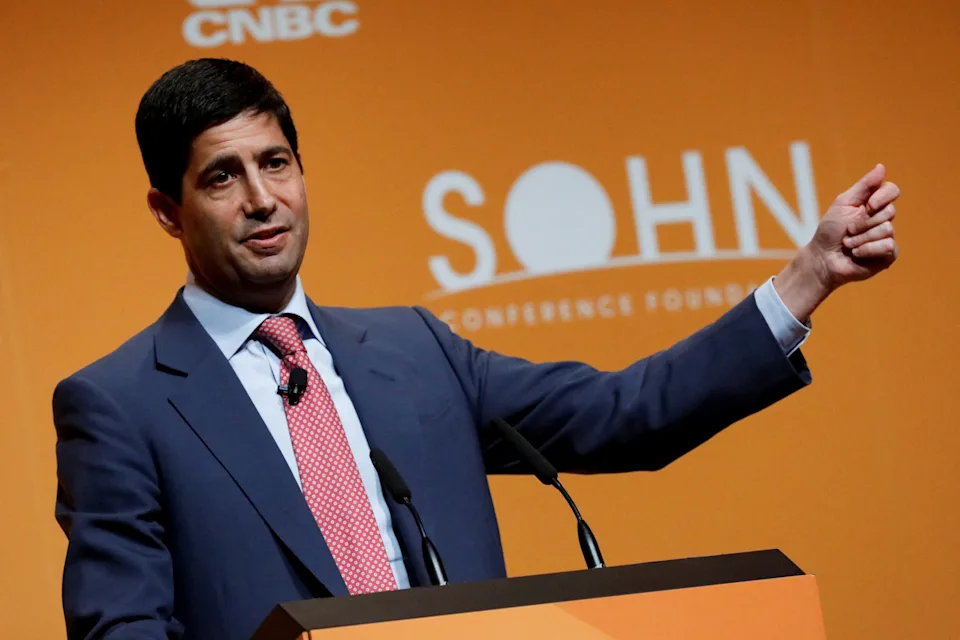
Analysts see him less as an ideological hardliner and more as a pragmatic conservative with enough credibility to bring colleagues along. That reputation, they argue, could make it easier for him to build consensus around limited rate reductions if economic data allows.
Politics, Confirmation, and What Comes Next
Warsh ultimately emerged from a crowded field of candidates that included former and current Fed officials, prominent economists, and Wall Street executives such as Rick Rieder of BlackRock. Trump’s priority was clear throughout the process: a chair willing to push rates lower to support housing and reduce financing costs on the roughly $37 trillion U.S. national debt.
Before any policy shifts occur, Warsh must clear a politically delicate Senate confirmation process. Ongoing investigations into renovations at the Fed’s Washington headquarters — including a subpoena issued to Powell — have already complicated the landscape. Still, with Republicans holding a Senate majority and bipartisan support emerging, observers expect Warsh’s confirmation path to be relatively smooth.
If approved, Meet Kevin Warsh, Trump’s Selection to Head the Federal Reserve will not just introduce a new chair — it will mark a decisive shift in philosophy at the world’s most influential central bank, with implications that could ripple far beyond U.S. borders.
