
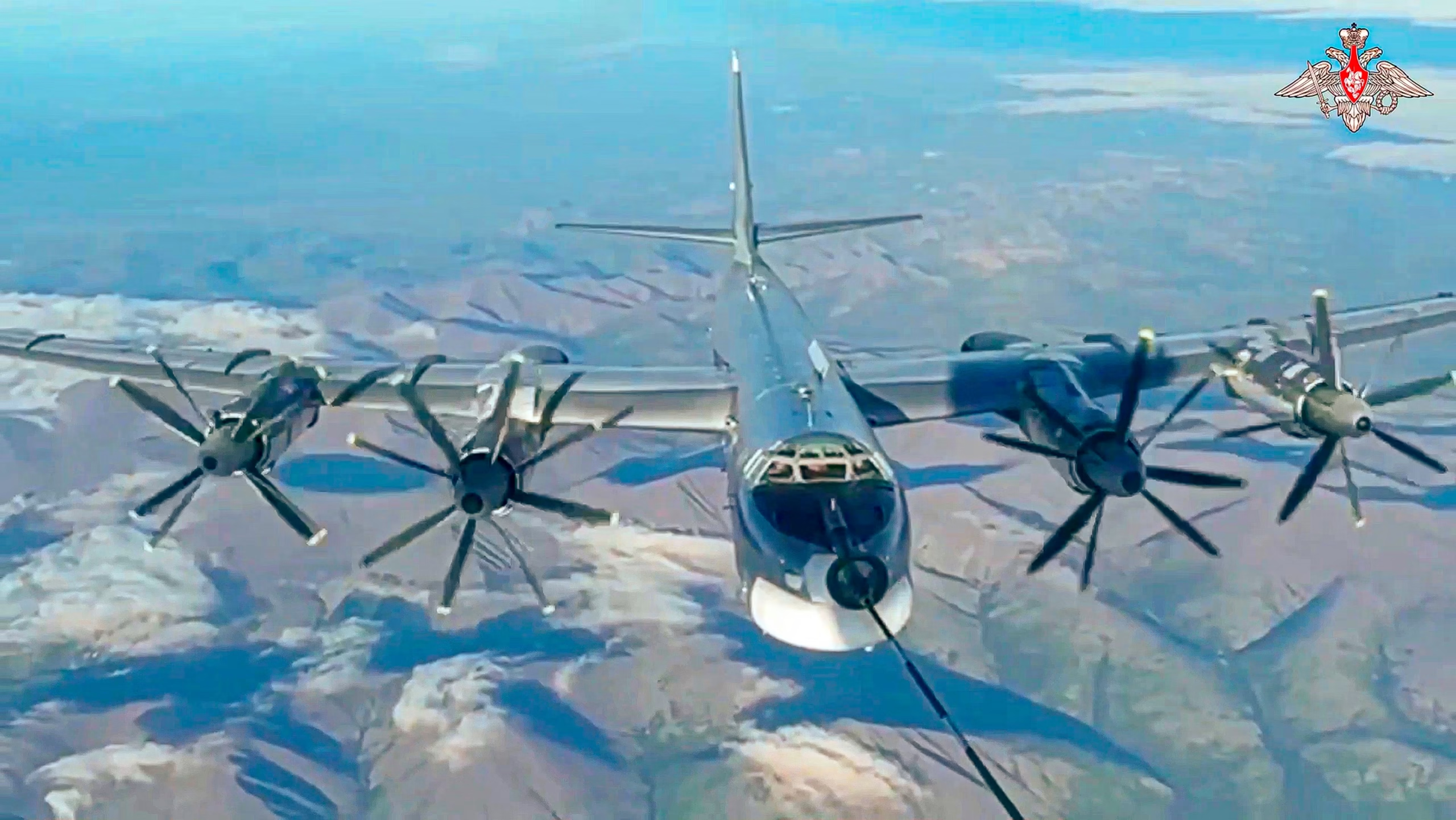

The icy skies above the Arctic have once again become a stage for global power signaling. In recent years, repeated encounters involving russian warplanes alaska have drawn international attention and revived Cold War-era concerns. While these incidents rarely escalate into direct confrontation, they highlight a growing competition in one of the world’s most strategically vital regions.
From military patrols to air defense interceptions, the presence of russian warplanes alaska reflects a broader geopolitical shift — one where the Arctic is no longer a frozen frontier but a contested corridor of power.
The Strategic Importance of Alaska

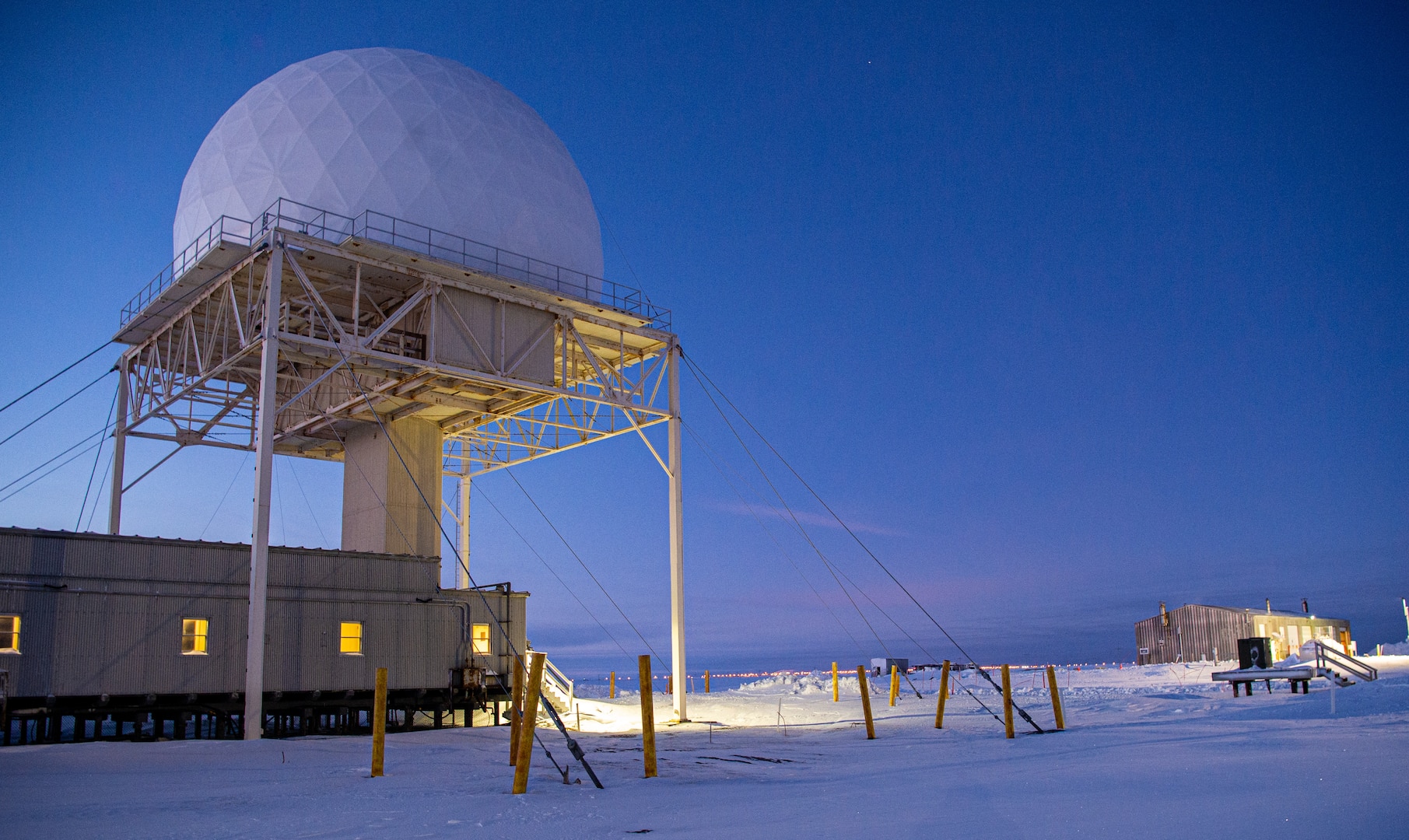
Alaska sits just miles away from Russia at the narrow Bering Strait. At its closest point, the United States and Russia are separated by only about 55 miles of water. This geographic reality makes Alaska one of America’s most critical defense positions.
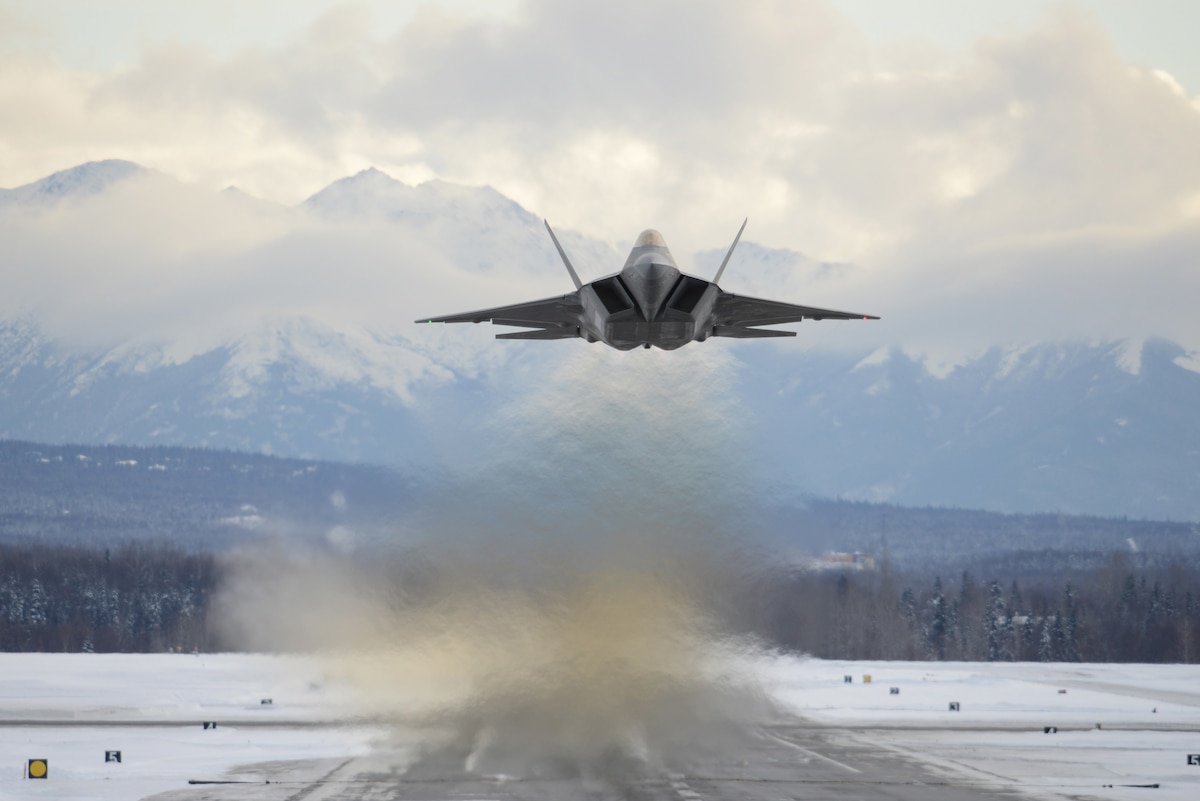
The state hosts key military installations, including Joint Base Elmendorf-Richardson and early-warning radar systems tied to the North American Aerospace Defense Command (NORAD). Whenever russian warplanes alaska patrol near the region, U.S. fighter jets are typically scrambled to intercept and visually identify them.
Importantly, most of these flights occur in international airspace. That means they are legal under international law. However, legality does not eliminate tension. Each encounter tests readiness, communication protocols, and strategic patience.
Why Russia Conducts Arctic Patrols
Russia has invested heavily in Arctic military modernization. Melting sea ice has opened new shipping routes and exposed potential oil and gas reserves, making the region economically and strategically attractive.
When russian warplanes alaska missions take place, they often involve long-range bombers such as the Russian Aerospace Forces deploying aircraft capable of carrying conventional or nuclear payloads. These patrols serve several purposes:
-
Demonstrating military reach
-
Testing U.S. air defense response times
-
Signaling strength to NATO and Western allies
-
Reinforcing Russia’s Arctic claims
From Moscow’s perspective, these flights are routine training exercises. From Washington’s standpoint, they are strategic messaging operations designed to remind the U.S. of Russia’s capabilities.
The Role of NORAD and U.S. Response

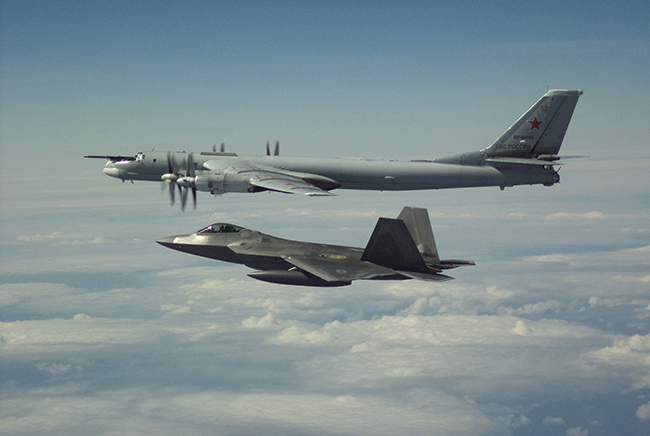
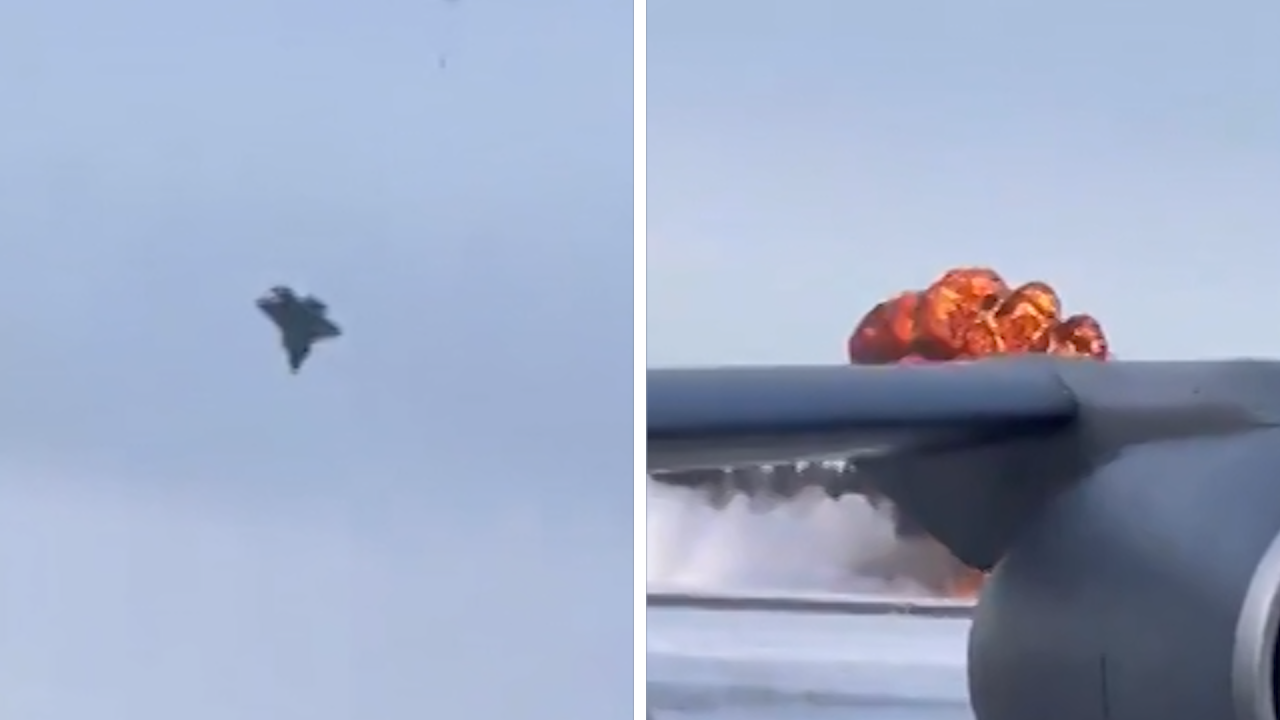
Whenever russian warplanes alaska enter the Alaskan Air Defense Identification Zone (ADIZ), NORAD responds. It is important to understand that the ADIZ is not sovereign airspace. Instead, it is a buffer zone where aircraft are required to identify themselves for security monitoring.
NORAD, a joint U.S.-Canada command, tracks these flights using radar and satellite systems. If necessary, fighter jets like the F-22 Raptor are deployed to escort and monitor the approaching aircraft.
These interactions are often professional and controlled. Pilots maintain distance and avoid aggressive maneuvers. However, the frequency of russian warplanes alaska events has increased in recent years, raising concerns about miscalculation.
A Return to Cold War Dynamics?
The phrase russian warplanes alaska evokes strong Cold War memories. During that era, Soviet bombers regularly tested U.S. defenses. Today’s environment, while different, carries echoes of that past.
Unlike the Cold War, the Arctic now plays a larger economic role. Climate change has accelerated ice melt, opening the Northern Sea Route and creating competition for natural resources. Russia has reopened Arctic bases, upgraded airfields, and expanded naval capabilities.
Meanwhile, the United States has begun reinvesting in Arctic infrastructure, recognizing that Alaska is not just a remote state — it is a frontline position.
The repeated presence of russian warplanes alaska underscores that great-power competition is no longer confined to Eastern Europe or the Pacific. It is global, extending to some of the planet’s harshest environments.
Risks of Escalation
Although most encounters remain routine, risks exist. Military aircraft flying in close proximity increase the possibility of accidents. Miscommunication or mechanical failure could quickly escalate tensions.
The geopolitical backdrop also matters. During periods of heightened strain between Washington and Moscow — such as over Ukraine or NATO expansion — incidents involving russian warplanes alaska can take on amplified political meaning.
Even a simple intercept can become headline news, fueling public concern and diplomatic friction.
The Broader Arctic Competition
The Arctic is no longer viewed as a quiet periphery. Nations including Canada, Norway, and Denmark have strengthened their Arctic defense policies. China has also declared itself a “near-Arctic state,” further complicating regional dynamics.
In this broader contest, russian warplanes alaska missions represent one piece of a larger strategic puzzle. Control of Arctic airspace, sea lanes, and natural resources will shape future geopolitical balances.
Alaska’s military presence ensures the U.S. maintains deterrence. Russia’s patrols signal it intends to remain a dominant Arctic power. The skies above the Bering Strait thus become symbolic territory — a reminder that geography still matters deeply in global security.
What Comes Next?
Looking ahead, experts expect continued encounters involving russian warplanes alaska. Both nations are unlikely to halt patrols, as doing so could be interpreted as weakness.
However, communication channels between military leaders remain crucial. Confidence-building measures, transparency, and adherence to aviation safety protocols can prevent misunderstandings.
In many ways, these Arctic encounters reflect a careful balancing act. They are displays of power without open conflict — rehearsals of readiness rather than acts of war.
Conclusion
The recurring presence of russian warplanes alaska is more than a headline. It represents a shifting strategic landscape where the Arctic is emerging as a central theater of global competition.
While most flights occur in international airspace and follow established rules, their symbolism carries weight. They signal military capability, test defenses, and reinforce national interests.
For the United States, Alaska remains a critical shield. For Russia, Arctic patrols affirm its status as a global power. And for the world, these icy encounters serve as a reminder that even the coldest regions can heat up under the pressures of geopolitics.
As long as the Arctic’s strategic value continues to grow, the skies above Alaska will remain under close watch — and the phrase russian warplanes alaska will continue to capture global attention.
